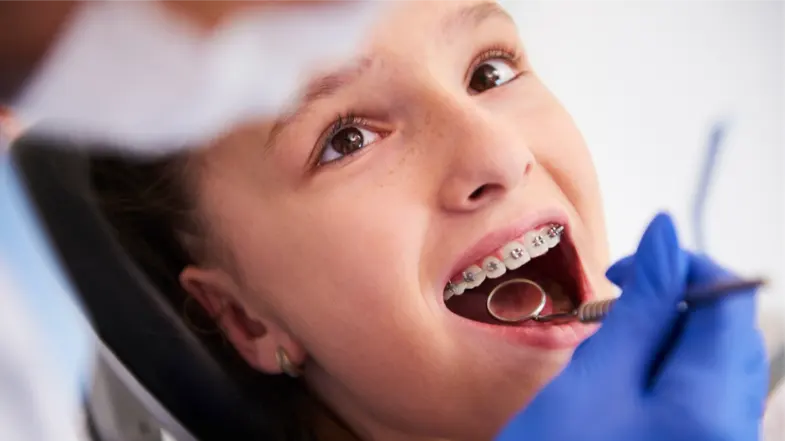
Braces are a common orthodontic treatment for children, designed to correct dental issues that could affect their oral health and overall well-being. While the thought of braces may be daunting for both children and parents, understanding the benefits and processes involved can ease concerns and guide informed decisions. This article delves into the myriad benefits of braces for children, providing insights into why early intervention can be crucial for their dental health.
Why Consider Braces at an Early Age?
Early intervention with braces can significantly impact a child’s dental health. Addressing dental issues early can prevent more severe problems from developing in the future. The advantages of starting orthodontic treatment during childhood include:
- Guiding proper jaw growth and alignment
- Improving the function of the teeth
- Enhancing oral hygiene by making teeth easier to clean
- Preventing future dental complications
Parents looking into orthodontic options for their children may wish to discover expert strategies here to ensure they choose the best path for their child’s dental health.
Benefits of Braces for Children
Improved Oral Health
One of the most significant benefits of braces is the improvement in oral health. Crooked or crowded teeth can be challenging to clean, leading to plaque buildup and an increased risk of cavities and gum disease. Braces help align the teeth, making them easier to brush and floss effectively. For further guidance on maintaining oral health during orthodontic treatment, explore advanced guides and tips.
Enhanced Self-Esteem and Confidence
Straight teeth can significantly boost a child’s self-esteem and confidence. Children with aligned teeth are more likely to feel comfortable smiling and interacting with peers. This positive self-image can have lasting effects on their social interactions and overall quality of life. Parents interested in learning more about the psychological benefits of orthodontic treatment can learn about our tailored solutions.
Optimal Functionality of Teeth
Braces correct bite issues such as overbites, underbites, and crossbites, ensuring the teeth meet properly. This improved functionality can enhance chewing efficiency and reduce wear and tear on the teeth, preventing long-term damage. For more detailed information on how braces can improve dental function, find out more about this approach.
Common Concerns and Misconceptions
Parents often have concerns about the discomfort and appearance of braces. However, modern orthodontics has evolved significantly, offering more comfortable and aesthetically pleasing options. Some common myths include:
- Braces are only for severe dental issues.
- They are painful and uncomfortable.
- Braces are only for teenagers.
It’s important to dispel these myths and provide accurate information. For a comprehensive understanding of modern orthodontic options, parents can explore advanced guides and tips.
Conclusion
Braces can play a crucial role in a child’s dental health and overall well-being by addressing issues early on. They offer numerous benefits, including improved oral hygiene, better dental function, and enhanced self-esteem. It’s essential for parents to weigh these benefits when considering orthodontic treatment for their children. By understanding the potential advantages and exploring available resources, parents can make informed decisions that will positively affect their child’s future.
