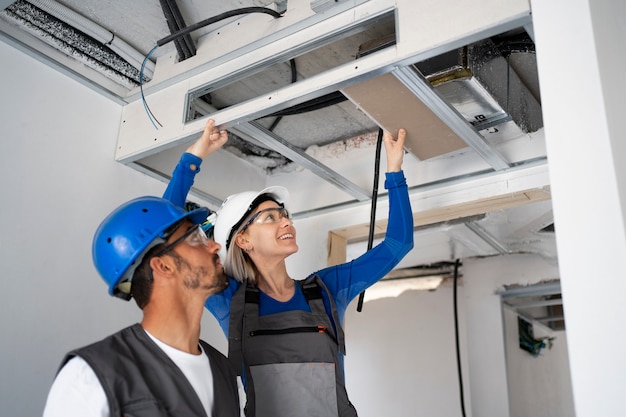
Smoke damage is often an overlooked issue that can significantly impact the efficiency and longevity of an HVAC system. Whether the damage is from a wildfire, a house fire, or even extensive use of a fireplace, the effects of smoke can permeate every aspect of a home?s air system. Understanding how smoke damage affects HVAC units is crucial for maintaining indoor air quality and ensuring the optimal performance of the system. This article delves into the mechanisms of smoke damage, outlining its effects on HVAC systems and providing insights into effective management strategies.
How Smoke Damages HVAC Systems
HVAC systems are designed to circulate air throughout a building, which makes them particularly vulnerable to smoke contamination. Smoke particles can infiltrate the system in several ways:
- Filter Clogging: Smoke contains a high concentration of particulate matter that can quickly clog HVAC filters, reducing airflow and system efficiency.
- Duct Contamination: Smoke particles can settle in ductwork, leading to long-term contamination that affects air quality.
- Component Corrosion: The acidic nature of smoke can cause corrosion in metallic components, leading to premature wear and tear.
- Odor Absorption: Smoke odors can linger in the system’s components and ducts, causing persistent unpleasant smells throughout the property.
Effects on Indoor Air Quality
The presence of smoke particles in an HVAC system can severely compromise indoor air quality. This can manifest in several ways:
- Increased Allergen Levels: Smoke particles can increase the concentration of allergens in the air, exacerbating respiratory issues for occupants.
- Reduced Oxygen Levels: The presence of smoke can reduce the oxygen levels in circulated air, affecting overall air freshness.
- Persistent Odors: As mentioned, smoke can cause lingering odors, making the indoor environment uncomfortable.
It is essential to employ strategic cleaning and maintenance to address these issues effectively. Discover expert strategies here for maintaining a clean and efficient HVAC system.
Maintenance and Cleaning Strategies
Regular Filter Replacement
One of the simplest yet most effective strategies is regular filter replacement. High-efficiency particulate air (HEPA) filters are recommended for their ability to trap fine smoke particles. Explore advanced guides and tips on choosing the right filters for your system.
Professional Duct Cleaning
Professional duct cleaning can remove accumulated smoke particles and restore air quality. This process involves specialized equipment and expertise to ensure thorough cleaning. Learn about our tailored solutions for duct cleaning that can help mitigate smoke damage.
System Inspection and Maintenance
Regular inspection and maintenance by qualified technicians can identify potential issues before they become serious problems. Technicians can check for signs of corrosion and wear, ensuring the system’s longevity. Find out more about this approach to preventative maintenance.
Customer Experiences
Reader experiences and feedback can provide valuable insights into the effectiveness of smoke damage remediation strategies. Check out customer reviews here to see what others are saying about their experiences with smoke damage and HVAC maintenance.
Addressing smoke damage in HVAC systems is a critical step in maintaining a healthy and efficient indoor environment. By understanding the impact of smoke, implementing effective cleaning strategies, and engaging with professional services, property owners can ensure that their HVAC systems are not only operational but also contribute to improved air quality and comfort.
