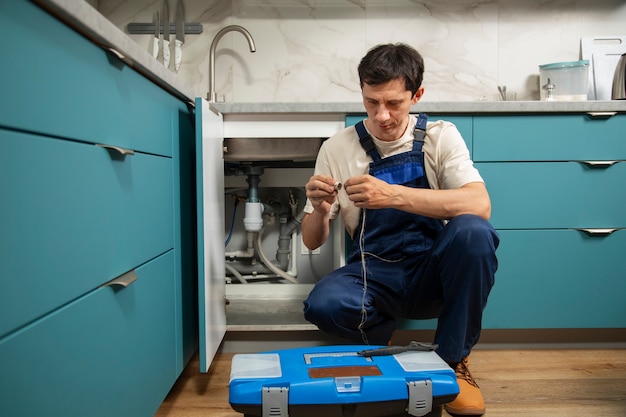
Water damage is an unfortunate event that can drastically alter the safety and comfort of your home. Whether it’s due to natural disasters, plumbing failures, or other unforeseen circumstances, the aftermath of water damage requires swift and efficient action to prevent further harm and restore normalcy. The complexity of water damage restoration demands a combination of experience, precision, and the right strategies to ensure that affected areas are properly rehabilitated. Leveraging professional restoration services helps in effectively managing the process, safeguarding against mold growth, and restoring structural integrity.
Understanding Water Damage
Water damage can have a range of causes and effects, impacting various parts of a property differently. Key causes include:
- Burst pipes and plumbing issues
- Natural disasters like floods and hurricanes
- Roof leaks and foundation cracks
- Sewage backups and overflow
Each of these causes presents unique challenges, necessitating specialized approaches for mitigation and repair. For comprehensive insights, discover expert strategies here.
Stages of Water Damage Restoration
1. Assessment and Inspection
The first step in any restoration process is a thorough assessment. Professionals evaluate the extent of the damage and identify the source of water intrusion. This stage is crucial for devising an effective restoration plan and ensuring all affected areas are addressed.
2. Water Extraction and Drying
Swift water extraction is vital to prevent further structural damage and mold growth. High-powered pumps and vacuums are typically employed to remove standing water. Once extraction is complete, the drying process begins, using industrial-grade dehumidifiers and air movers to eliminate moisture.
3. Cleaning and Sanitizing
After drying, all affected areas require cleaning and sanitizing to remove contaminants and prevent health risks. Specialized cleaning agents and techniques are used to ensure surfaces are thoroughly disinfected. Learn about tailored solutions designed for this phase by exploring advanced guides and tips.
4. Restoration and Repairs
The final stage involves restoring the property to its pre-damage condition. This may include minor repairs like drywall replacement and painting or more extensive tasks such as rebuilding entire rooms. The goal is to not only repair the damage but also to enhance the resilience of the property against future incidents.
Preventative Measures for Future Protection
Implementing preventative strategies can significantly reduce the risk of future water damage. Consider the following measures:
- Regular maintenance of plumbing systems
- Installation of sump pumps and backflow valves
- Routine roof inspections and gutter cleaning
- Using water-resistant materials in vulnerable areas
For more information on proactive measures, find out more about this approach.
The Importance of Professional Intervention
While some water damage issues may seem manageable, professional intervention is often necessary to ensure a thorough and effective restoration. Experts bring a wealth of experience, advanced equipment, and a structured approach to tackle even the most challenging scenarios. Moreover, they provide peace of mind by addressing potential health hazards and preventing long-term structural issues.
By engaging with professional services, homeowners can trust that their property will be restored with care and precision, ultimately bringing their home back to life. For more expert insights, explore advanced guides and tips tailored to water damage restoration.
