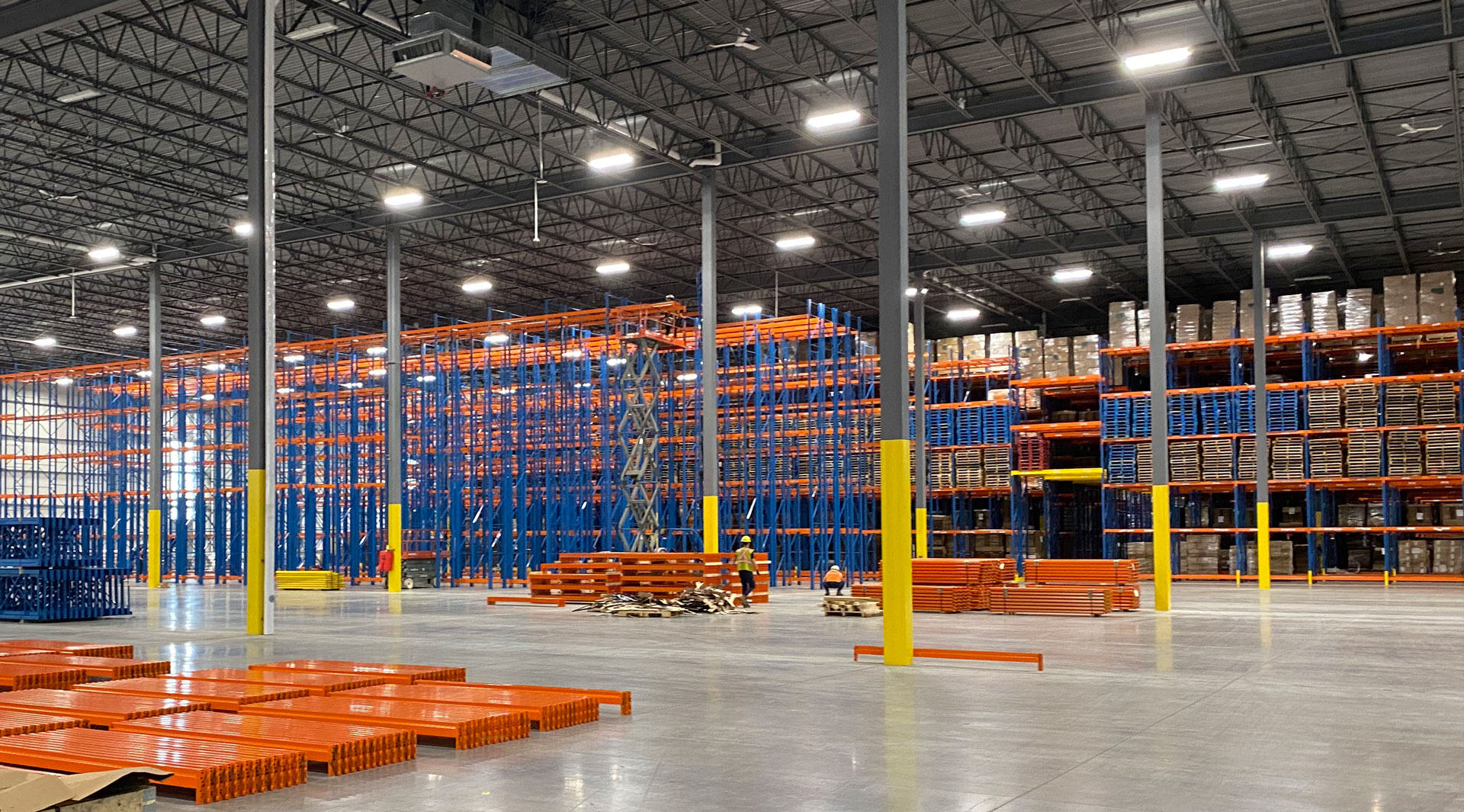
In the fast-paced world of logistics and supply chain management, maximizing efficiency within a warehouse is paramount. One of the key components in achieving this is through the implementation of an effective warehouse racking system. A well-designed racking system not only optimizes space but also enhances inventory management, reduces operational costs, and improves overall workflow. Given the complexities involved in warehouse operations, it’s crucial to understand the various types of racking systems available and how they can be tailored to specific business needs.
The Importance of a Warehouse Racking System
The fundamental purpose of a warehouse racking system is to organize and store inventory efficiently. This leads to several benefits that can significantly impact warehouse operations:
- **Space Optimization**: Maximizing vertical space allows for increased storage capacity without the need for physical expansion.
- **Improved Inventory Management**: Easy access and visibility of stored items facilitate quicker inventory audits and stock rotation.
- **Enhanced Safety**: Properly designed racking systems minimize hazards and ensure a safer working environment.
- **Cost Efficiency**: Effective space utilization reduces the need for additional storage facilities, thereby minimizing costs.
For more insights on enhancing warehouse storage solutions, discover expert strategies here.
Types of Warehouse Racking Systems
Choosing the right type of racking system is crucial for optimizing warehouse operations. Here are some commonly used systems:
Pallet Racking
The most common type, pallet racking, is designed for storing large quantities of palletized goods. Its advantages include:
- **Versatility**: Suitable for a wide range of products and warehouse sizes.
- **Accessibility**: Easy access to each pallet allows for efficient stock management.
To explore advanced guides and tips on pallet racking, explore advanced guides and tips.
Drive-In and Drive-Through Racking
This system is ideal for high-density storage, where forklifts drive directly into the racks. Key benefits include:
- **High-Density Storage**: Maximizes storage space by reducing aisle space.
- **Cost-Effective**: Suitable for storing large volumes of homogeneous products.
Learn about tailored solutions for high-density storage by visiting this informative page.
Cantilever Racking
Designed for storing long, bulky items such as lumber or pipes, cantilever racking systems offer:
- **Flexibility**: Adjustable arms accommodate varying load sizes and weights.
- **Accessibility**: Open design allows for easy loading and unloading.
Find out more about this approach and its benefits by checking out this detailed guide.
Considerations for Implementation
Implementing a warehouse racking system involves several key considerations, including:
- **Space Analysis**: Conduct a thorough assessment of the available space to determine the most suitable racking system.
- **Inventory Type**: Consider the types of items stored, their sizes, and turnover rates.
- **Budget Constraints**: Balance the cost of the system with its long-term benefits.
- **Safety Regulations**: Ensure compliance with industry standards and safety regulations.
For a comprehensive understanding of warehouse storage solutions, learn about tailored solutions for different business needs.
Conclusion
An efficient warehouse racking system is a crucial investment for any business looking to optimize its storage solutions. By choosing the right type of racking system and considering key factors during implementation, businesses can significantly improve their operational efficiency. To further explore the various options and strategies available, find out more about this approach to maximize warehouse efficiency and safety.
