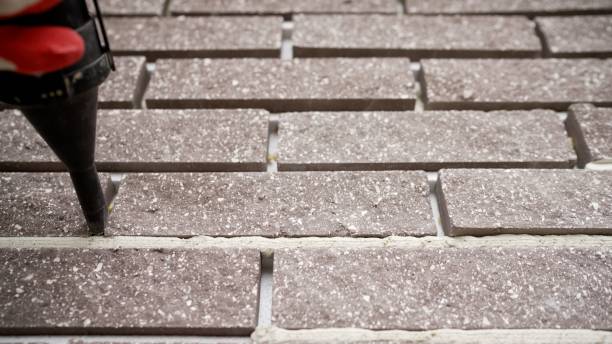
Stone surfaces, whether used in residential or commercial environments, are valued for their durability and timeless beauty. However, to maintain their aesthetic appeal and structural integrity, they require proper care and maintenance. Stone sealers offer an essential solution by providing a protective layer that guards against stains, moisture, and other potential damage. Understanding the different types of stone sealers available is crucial for ensuring the longevity and appearance of these surfaces. This article delves into the various categories of stone sealers, their benefits, and how to choose the right one for specific needs.
Penetrating Sealers
Penetrating sealers, also known as impregnating sealers, are designed to soak into the stone’s pores and create a protective barrier from within. They are particularly effective for stones with open pores, such as limestone and sandstone. Here are some key features:
- They do not alter the natural appearance of the stone, maintaining its original texture and color.
- These sealers provide excellent protection against water and oil-based stains.
- They are typically long-lasting and require less frequent application compared to other types.
For more insights into how penetrating sealers work, discover expert strategies here.
Surface Sealers
Surface sealers, often referred to as topical sealers, form a protective layer on the stone’s surface. This type is suitable for stones that do not have significant porosity. Key characteristics include:
- They enhance the stone?s color and can provide a glossy or matte finish.
- Surface sealers are effective in preventing surface stains and scratches.
- Regular reapplication may be necessary as they are more prone to wear from foot traffic and environmental exposure.
To learn about tailored solutions for surface sealing, explore advanced guides and tips.
Water-Based vs. Solvent-Based Sealers
Within the categories of penetrating and surface sealers, there exist water-based and solvent-based options:
- Water-Based Sealers: These are eco-friendly, emit fewer odors, and are easier to clean up. They are ideal for indoor applications where ventilation might be limited.
- Solvent-Based Sealers: Known for their deeper penetration and enhanced durability, solvent-based sealers are often preferred for outdoor applications.
Choosing between water-based and solvent-based sealers depends on specific project requirements and environmental considerations. Find out more about this approach.
Choosing the Right Stone Sealer
Selecting the appropriate stone sealer involves considering several factors:
- Stone Type: Identify whether the stone is porous or non-porous to determine the suitable sealer type.
- Location: Indoor or outdoor placement can influence the choice between water-based and solvent-based options.
- Desired Finish: Decide if a natural look or an enhanced finish is preferred.
- Maintenance Requirements: Assess how frequently the sealer will need reapplication based on the expected wear and tear.
For comprehensive guidance on selecting the right sealer, learn about our tailored solutions.
Conclusion
Understanding the different types of stone sealers and their applications is fundamental for protecting and preserving stone surfaces. Whether opting for a penetrating sealer to maintain the natural look or a surface sealer for added protection and aesthetic enhancement, informed decisions ensure the longevity and beauty of the stone. Professional advice and resources are invaluable in navigating the options available, helping to achieve the best results for any stone surface project. For more detailed information and expert advice, explore advanced guides and tips.
