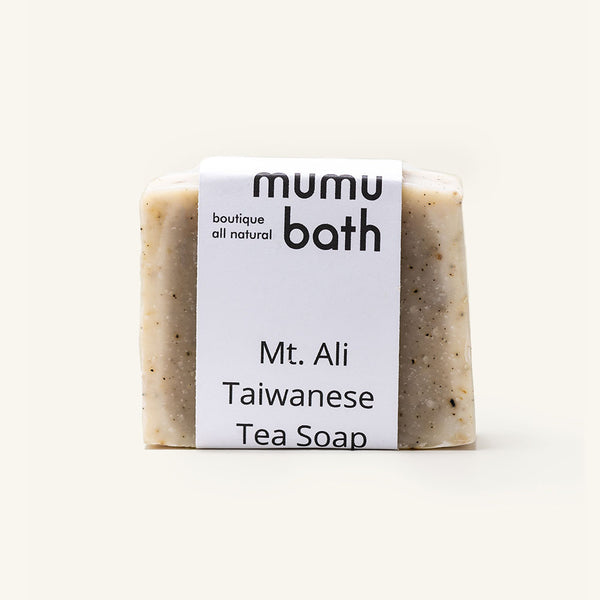
In the ever-evolving world of personal care, the fusion of traditional wisdom with modern expertise continues to create innovative products that captivate consumers. A fascinating trend that has emerged recently is the use of tea in soap making. Known for its antioxidant properties and soothing benefits, tea has quickly become a sought-after ingredient, offering a unique blend of luxury and efficacy. As consumers increasingly prioritize natural and sustainable options, tea-infused soaps present a compelling choice. This article delves into the power of tea in soap making, exploring its benefits, various types, and how it can elevate the soap-making process.
The Benefits of Tea in Soap Making
Tea is revered not only as a beverage but also for its myriad skin benefits, making it an excellent addition to soap. Here are some of the key advantages:
- Antioxidant Properties: Tea, especially green and black varieties, is rich in antioxidants which help combat free radicals, potentially reducing signs of aging.
- Anti-inflammatory Effects: The natural compounds in tea can soothe irritated skin, making it ideal for sensitive or inflamed areas.
- Natural Fragrance: Tea imparts a subtle, refreshing scent that can enhance the sensory experience of using soap.
- Skin Brightening: Certain teas, like white tea, can help even out skin tone and impart a healthy glow.
For those interested in harnessing these benefits, discover expert strategies here.
Types of Tea Used in Soap Making
Different types of tea offer varied benefits, and choosing the right one can align with specific skincare needs:
Green Tea
Rich in catechins, green tea is renowned for its impressive antioxidant properties. It is a popular choice for soaps targeting anti-aging and rejuvenation.
Black Tea
Containing more tannins, black tea offers astringent properties that can help tone and tighten the skin. It is excellent for those looking to refresh and invigorate their skin care routine.
White Tea
White tea, known for its delicate processing, retains more nutrients and is praised for its skin-brightening effects, making it a luxurious addition to any soap.
Herbal Teas
Herbal teas such as chamomile and rooibos add unique benefits and aromas to soaps, often promoting relaxation and soothing sensitive skin.
Learn about our tailored solutions to incorporate these teas into soap making.
Incorporating Tea into Soap Formulation
Integrating tea into soap requires an understanding of both the soap-making process and the properties of the chosen tea. Here are some steps to consider:
- Infusion: Tea can be infused in water or oils to extract its beneficial compounds, which are then incorporated into the soap base.
- Ground Tea Leaves: Finely ground tea leaves can be added to soap for gentle exfoliation, enhancing the texture and providing additional skin benefits.
- Essential Oils: Complementary essential oils can be added to enhance the aroma and therapeutic properties of the tea-infused soap.
For a deeper dive into these techniques, explore advanced guides and tips.
Conclusion
Tea-infused soaps are a testament to the harmonious blend of nature and science, offering unique benefits that cater to both skin health and sensory pleasure. Whether one is looking to harness the anti-aging benefits of green tea or the soothing properties of chamomile, the versatility of tea in soap making is undeniable. Find out more about this approach to elevate skincare routines with the natural goodness of tea.
